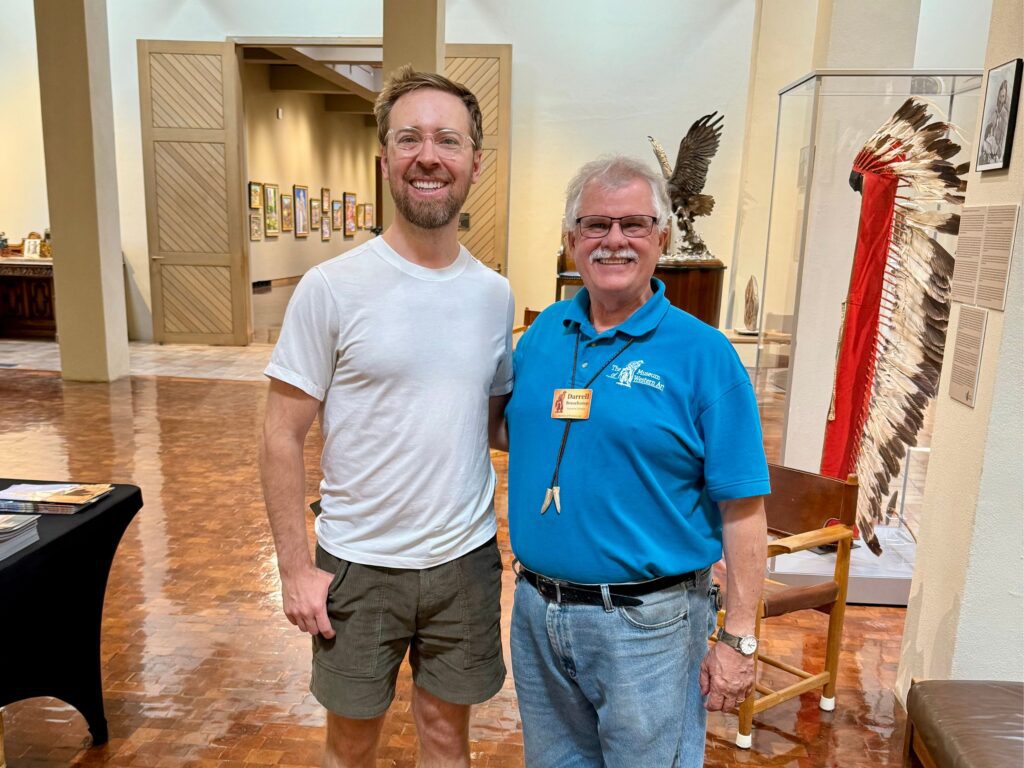
America has over 35,000 museums. Most of them are small operations like The Museum of Western Art in Kerrville, Texas.
I’m here today to meet the director, look through the space, and see if it is a sector that I want to explore for philanthropy.
An Ode to Small Museums
Small museums are where third-graders learn local history. They’re a place for tourists to discover stories they’d never find online. And small museums are a home for experts to volunteer because they can’t imagine doing anything else.
They’re powered by passionate volunteers, a few generous donors, admission fees, and local support from members and partners. Every small museum is a labor of love. They operate on budgets smaller than what major museums like The Metropolitan Museum of Art spend on their catering service.
Darrell Beauchamp
The Museum of Western Art has exactly one full-time employee.
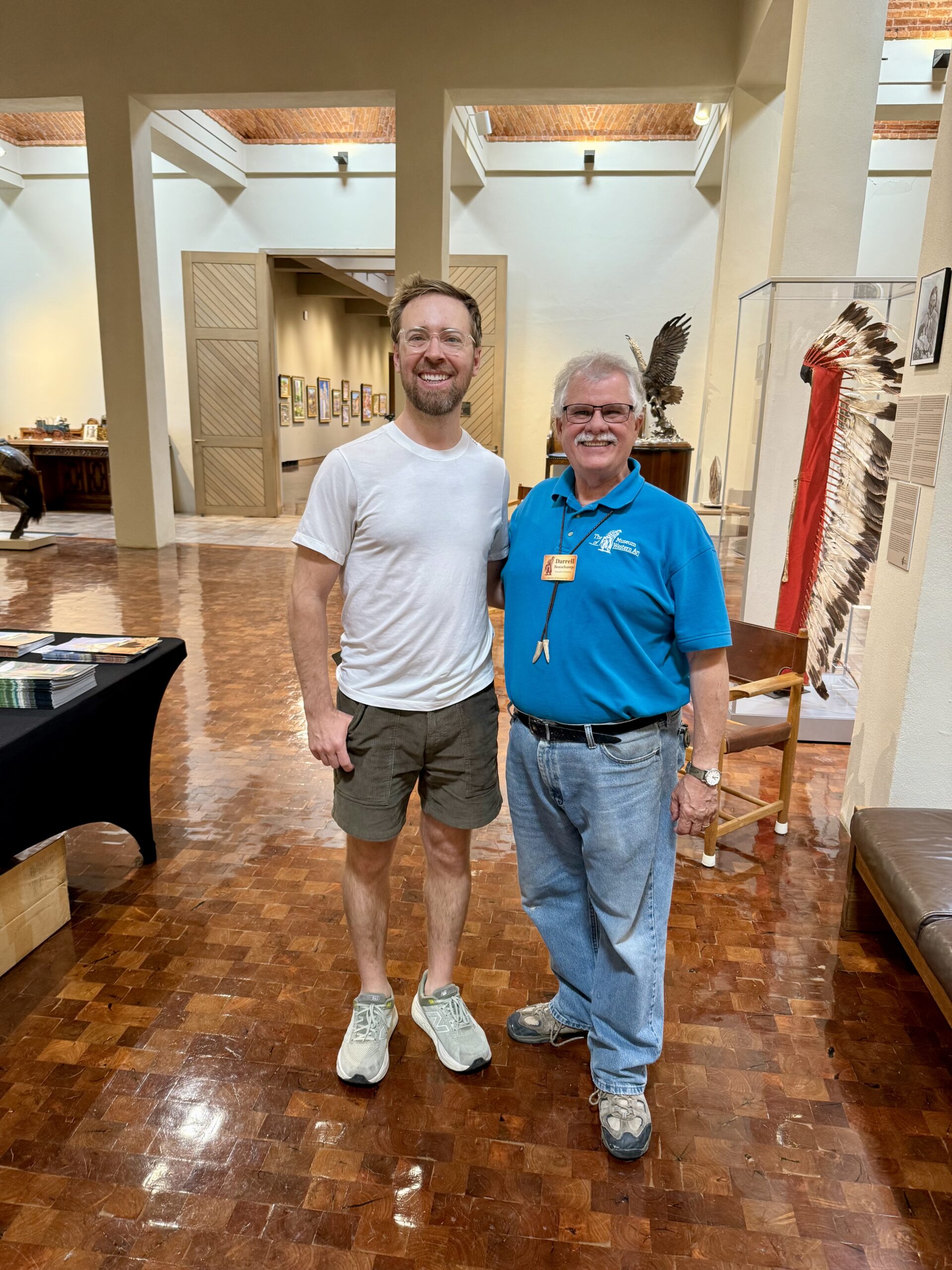
Meet Darrell Beauchamp, the director, who fundraises for the entire operation.
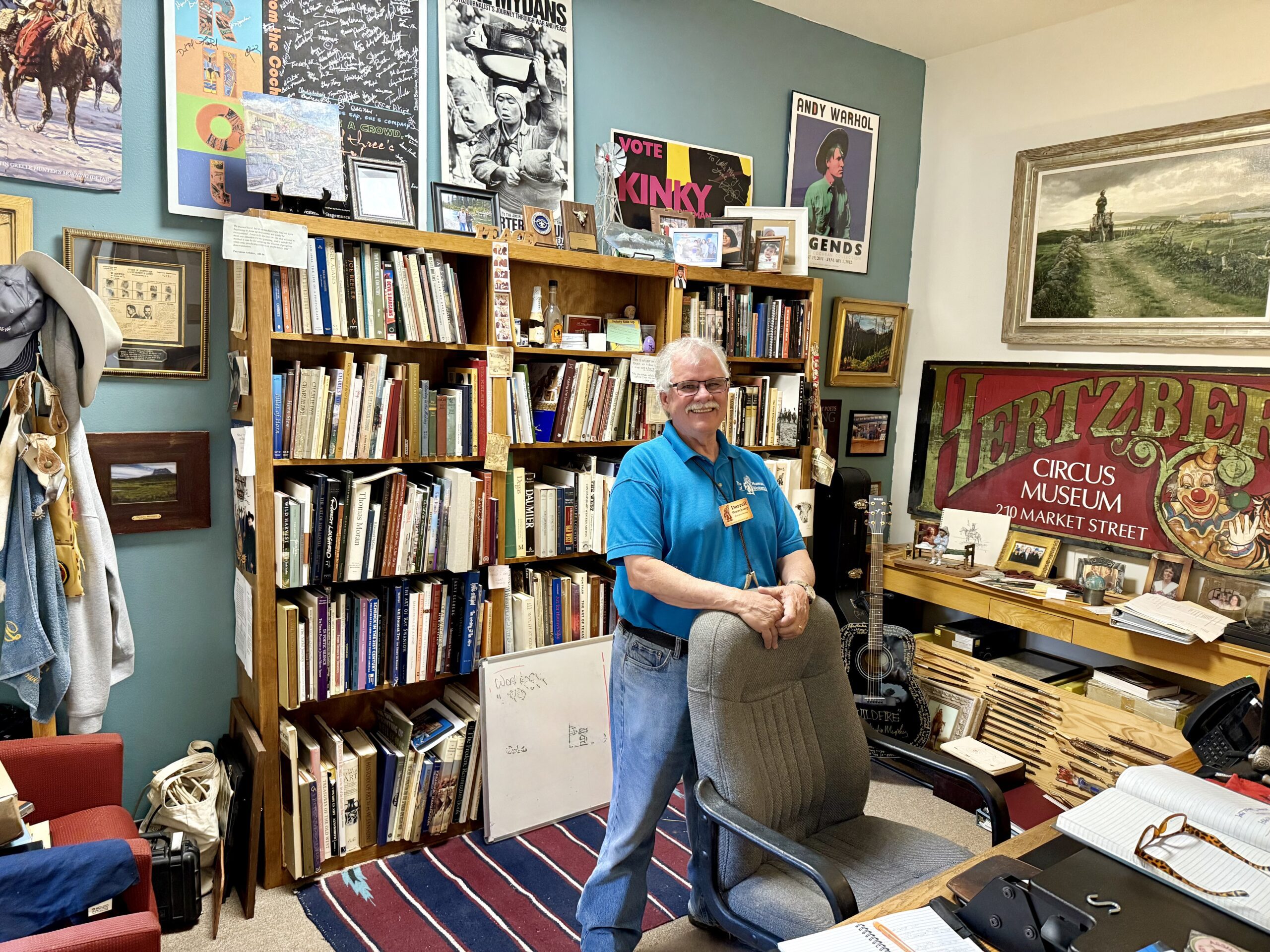
He is supported by 40 volunteers who range in age from 26 to 101 years old (!!!).
Darrell joined the museum from the Western Heritage Museum and Lea County Cowboy Hall of Fame, where he was the Executive Director.
Behind the Scenes
I used to run a company called Museum Hack. And sometimes people like Darrell have heard of that company, and they are nice enough to let me peek behind the scenes of how their museum operates.
“What’s behind that?” I ask, pointing to a non-descript door on the side of a gallery.
Darrell walks me over to the double doors, fishes out a ring of keys, and opens us up to our own private Night at the Museum experience.
Today is my lucky day because I’m getting to see a part of The Museum of Western Art that few visitors experience.
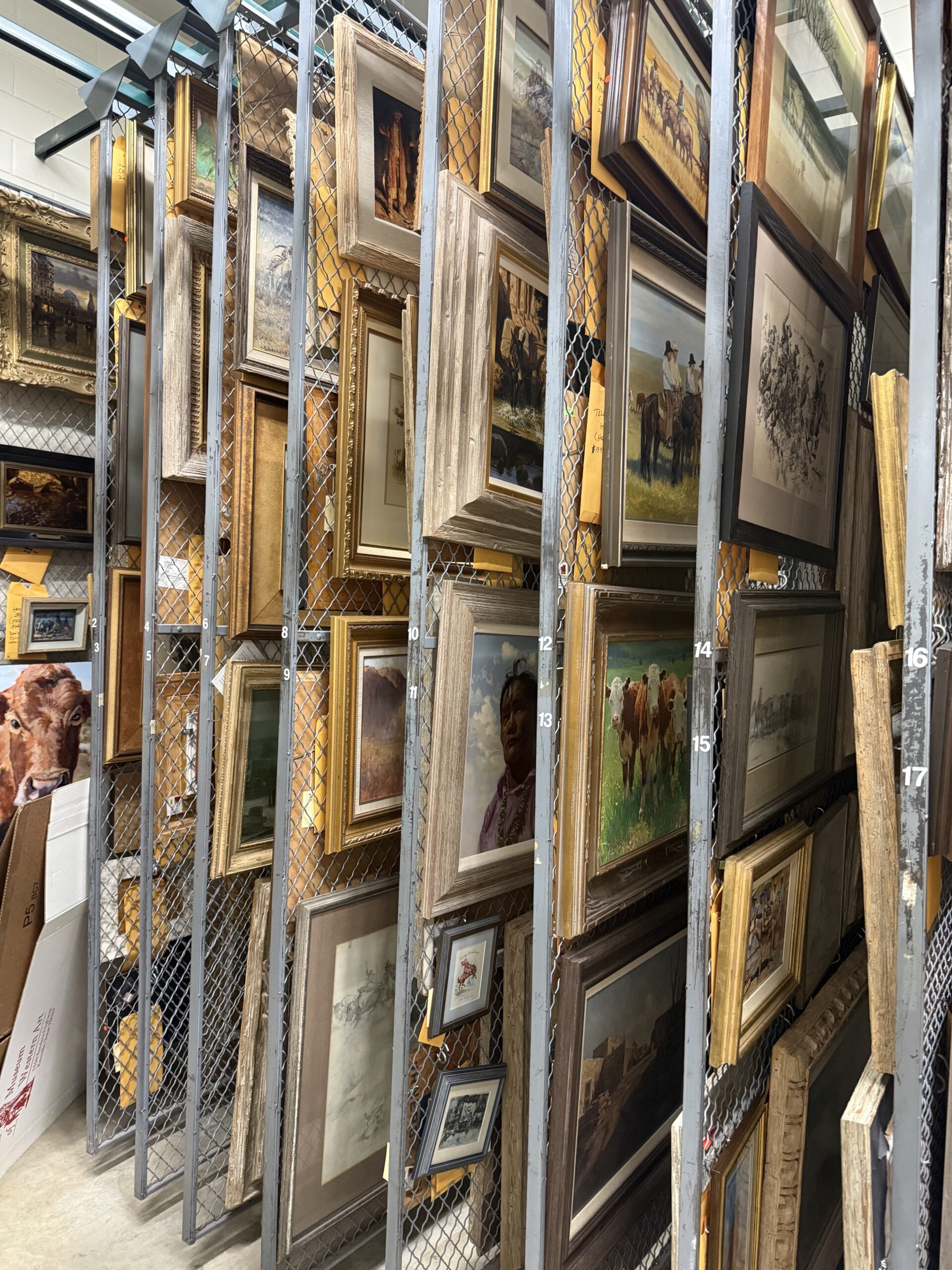
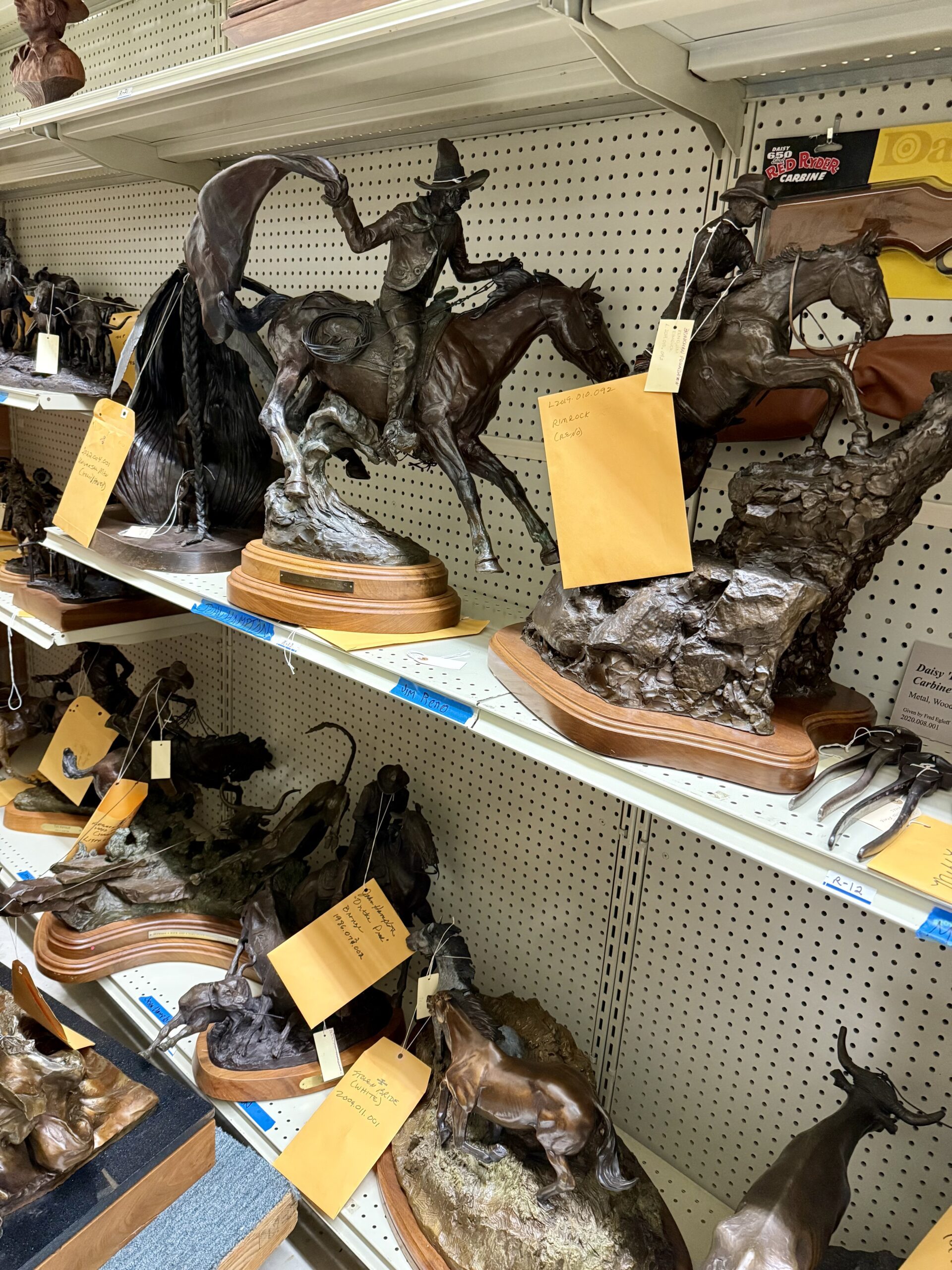
The archives smell like old leather and wood polish. Climate-controlled rooms hold pieces waiting their turn for display. Their registrar, by the way, is a volunteer who used to work at the Smithsonian. She’s created a detailed cataloging system that would make any big-city museum jealous.
Barbed Wire Wall
An enormous wall in the front entryway includes a 6-foot by 30-foot display of nearly 500 different types of patented barbed wire.
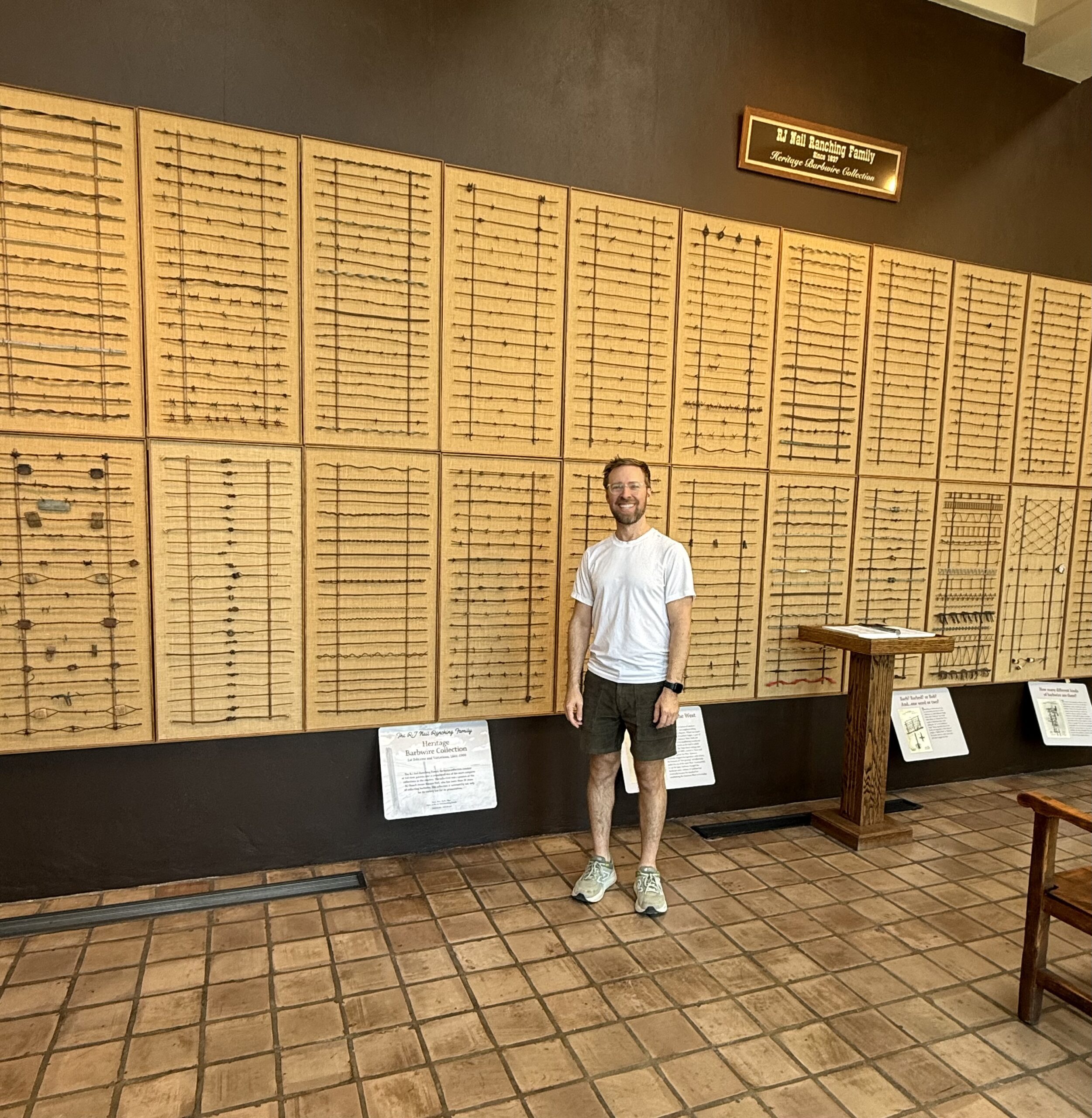
Here’s what blew my mind: There are only 600 patented versions in existence. And The Museum of Western Art has almost all of them.
I spent 10 minutes just staring at and exploring the variations of twisted metal. I liked the utility, and also the art, of how something as simple as barbed wire can have 600 different ways to say “stay out.” It felt like both an art museum and a science display, which I love.
Women’s Pistols
One of my favorite exhibits was their collection of women’s small pistols. About the size of a pack of cigarettes, these would be kept in garter belts or tucked into purses.
The small handguns date from the 1800s. I found something fascinating about these dainty, ornate weapons with pearl handles no bigger than a matchbox. Deadly but decorated. Practical but pretty.
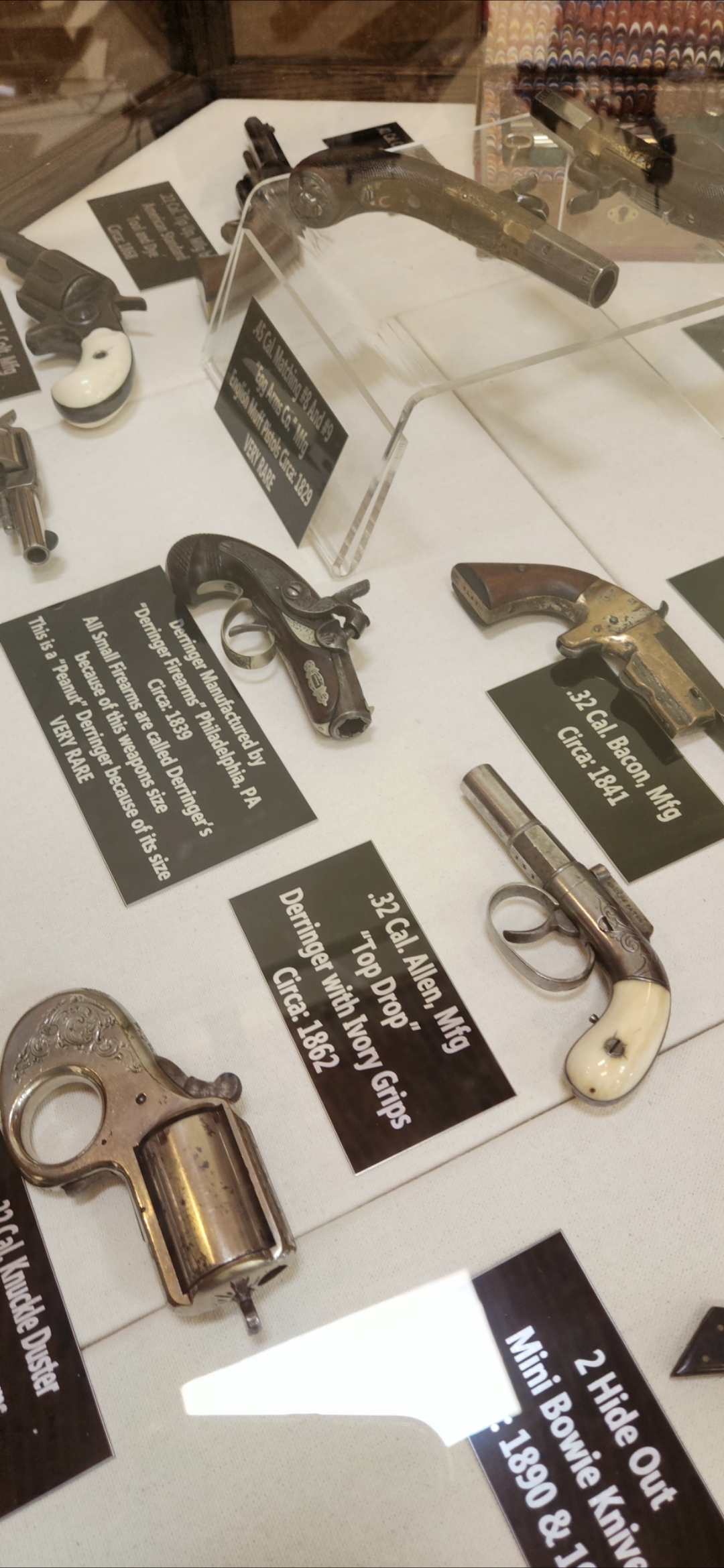
Unfortunately, a lot of the guns misfired and caused more harm to the owners.
History and Recognition
The museum opened in 1983 as the Cowboy Artists of America Museum before going independent about 20 years after. Today it displays about 150 sculptures and 250 paintings, all Western-themed.
Darrell told us about the architecture and the museum’s original connection to the Cowboy Artists of America organization. The building was designed by O’Neil Ford with beautiful boveda ceilings and mesquite floors.
In September of 2025, True West Magazine named The Museum of Western Art as the #1 Western Art Museum in America.
The Flood Effect
A bit of an unfortunate note: Darrell told me their visitor numbers are down 75% since the floods hit Kerrville a few months ago.
The museum wasn’t affected, but the news and a few politicians told everyone to stay away from the area. So they did.
“Even a month after those storms, some days we had zero visitors. We’re back to COVID levels of visitorship right now. I hope it’ll come back. The town is hurting for tourists and visitors right now.”
Worth Your Time
I spent more than an hour exploring the space. We had the whole museum to ourselves, which was a blessing for us, but perhaps hard on the museum.
For $7 admission, you get access to everything, plus volunteers who are ready and willing to give you a private tour.
It’s a great spot for families with kids. They have a Journey West children’s gallery that makes the Old West accessible to little ones, plus lots of interesting things to look at.
Conclusion
I lived in New York City for 13 years, but I’ve been back in Texas for almost 5 years now.
I’m still adjusting back to my Texas roots. I grew up in Dallas, but even then I lived in the suburbs.
This museum is all about Western art with cowboys and Indians and guns and steer.
I personally have never felt comfortable on a horse. And I’ve never owned a gun.
But still, I like this stuff. This is the American West. It is a part of our country. And as a Texan, it is a part of my history.
I like visiting museums. There’s something special about a dedicated physical space to appreciate art and learn about history.
Small museums like The Museum of Western Art are the backbone of American cultural preservation. They provide educational programming for school field trips. They boost local tourism. They employ people who care deeply about their subject matter. They maintain collections that would otherwise be scattered to private buyers or lost entirely.
This is exactly the kind of place I want to support.
If you’re anywhere near the Texas Hill Country, go visit. It’s about an hour northwest of San Antonio or two hours from Austin.
And if you’re lucky, Darrell or one of the volunteers will probably give you a VIP tour.
I’m working on a new project called Patron View. It’s a database of museum donors. I hope to be able to help places like The Museum of Western Art with fundraising research. Check out the top patrons list, or read more about the project here.